
Practical, factual guides for first-time buyers considering rural Central Texas acreage.


Practical, factual guides for first-time buyers considering rural Central Texas acreage.
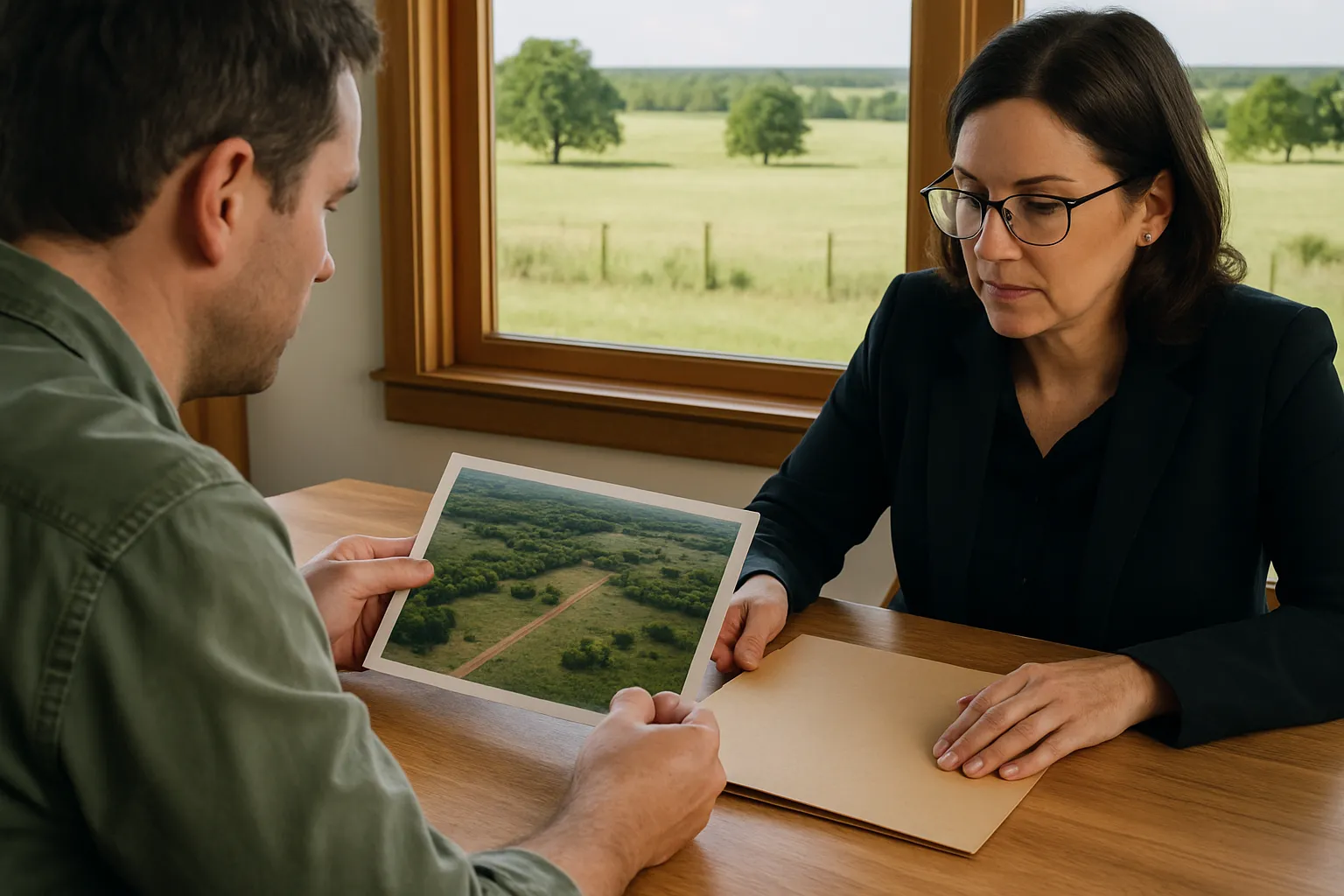
Land loans, feasibility periods, surveys, and title deadlines work differently from a typical home purchase.
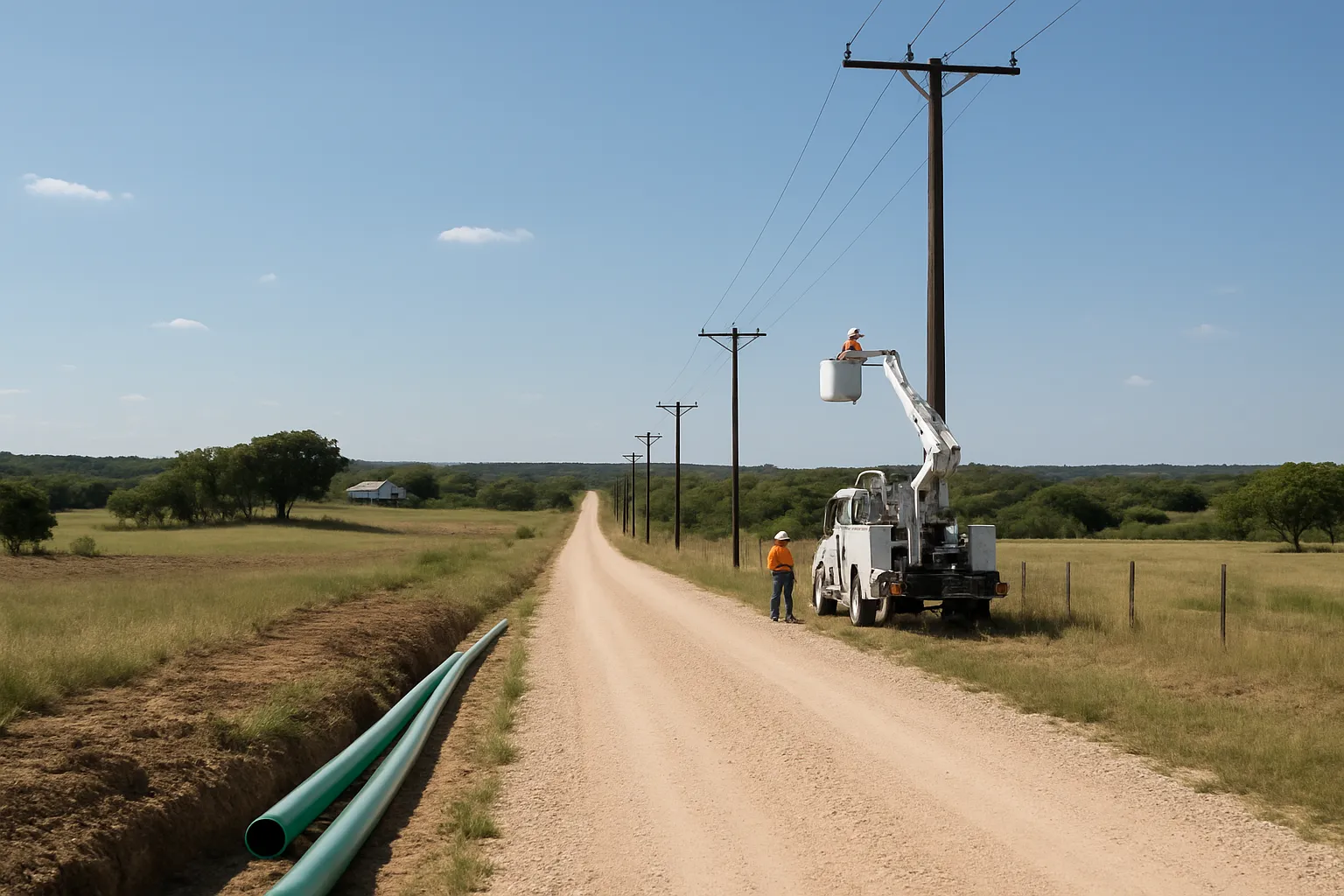
The nearest pole, line, or fiber marker is only the beginning of a real utility estimate.
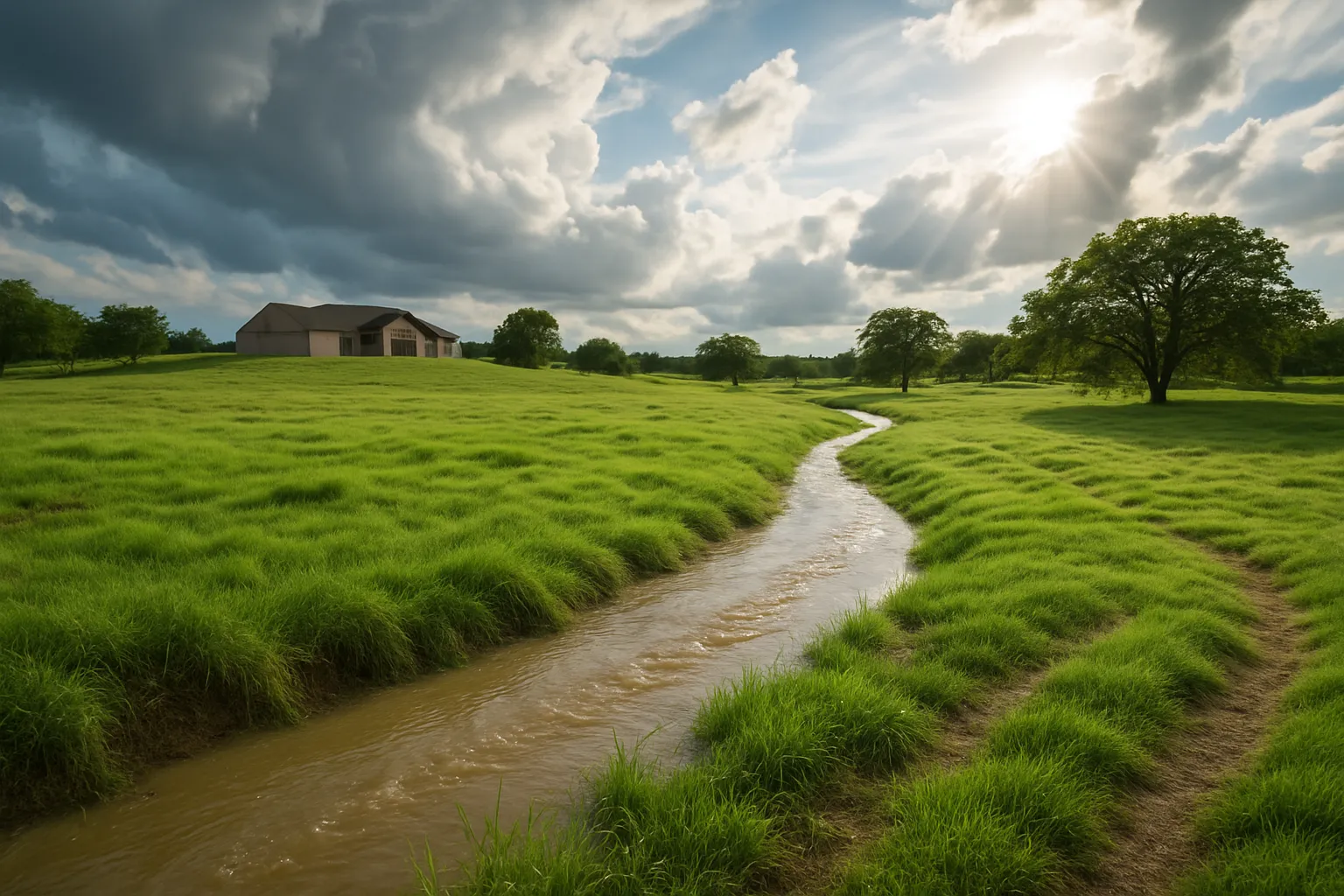
The best homesite is not only outside a mapped flood zone. It also stays dry and remains accessible after heavy rain.
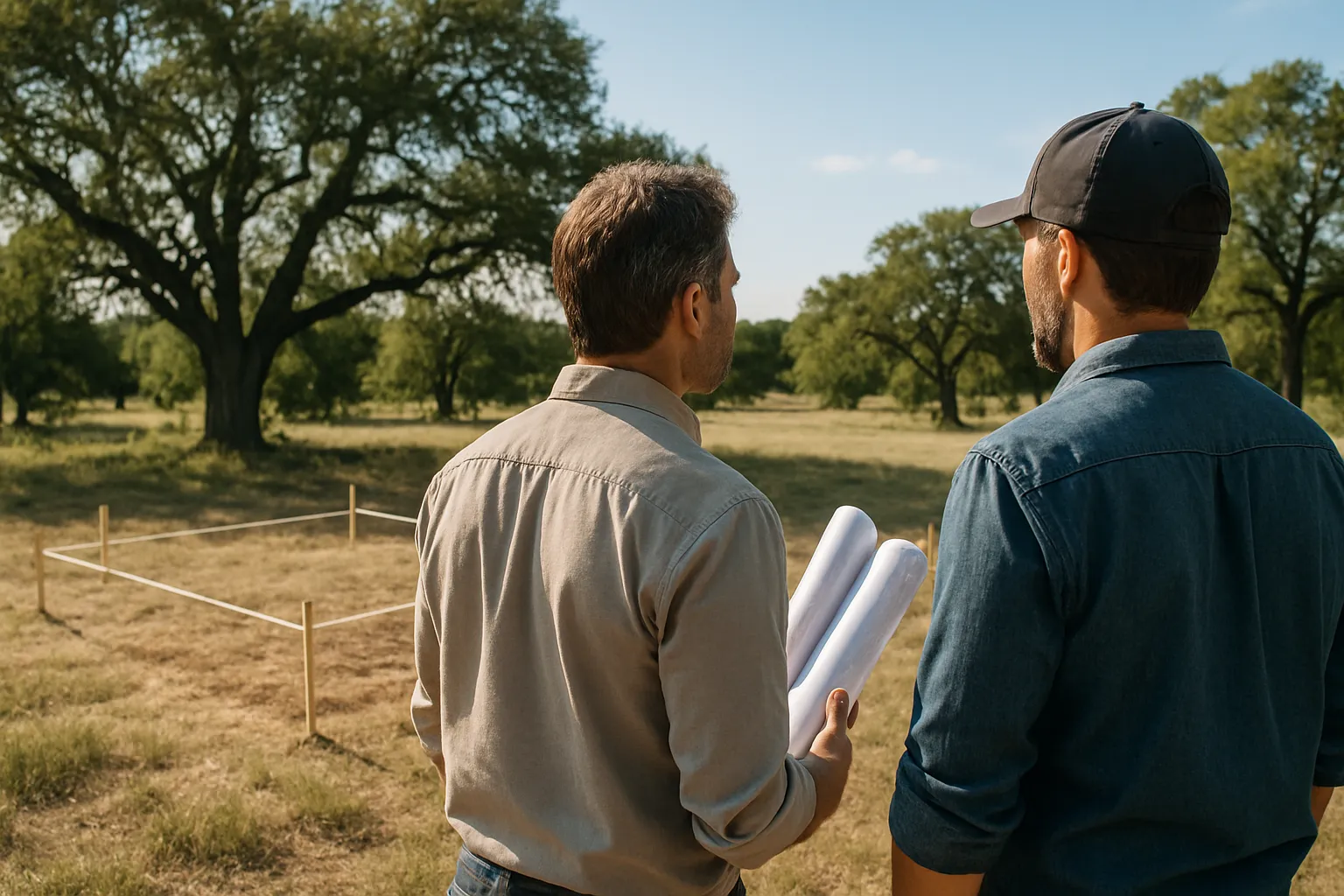
Deed restrictions, utility rules, permits, and road standards can shape a rural homesite without an HOA.
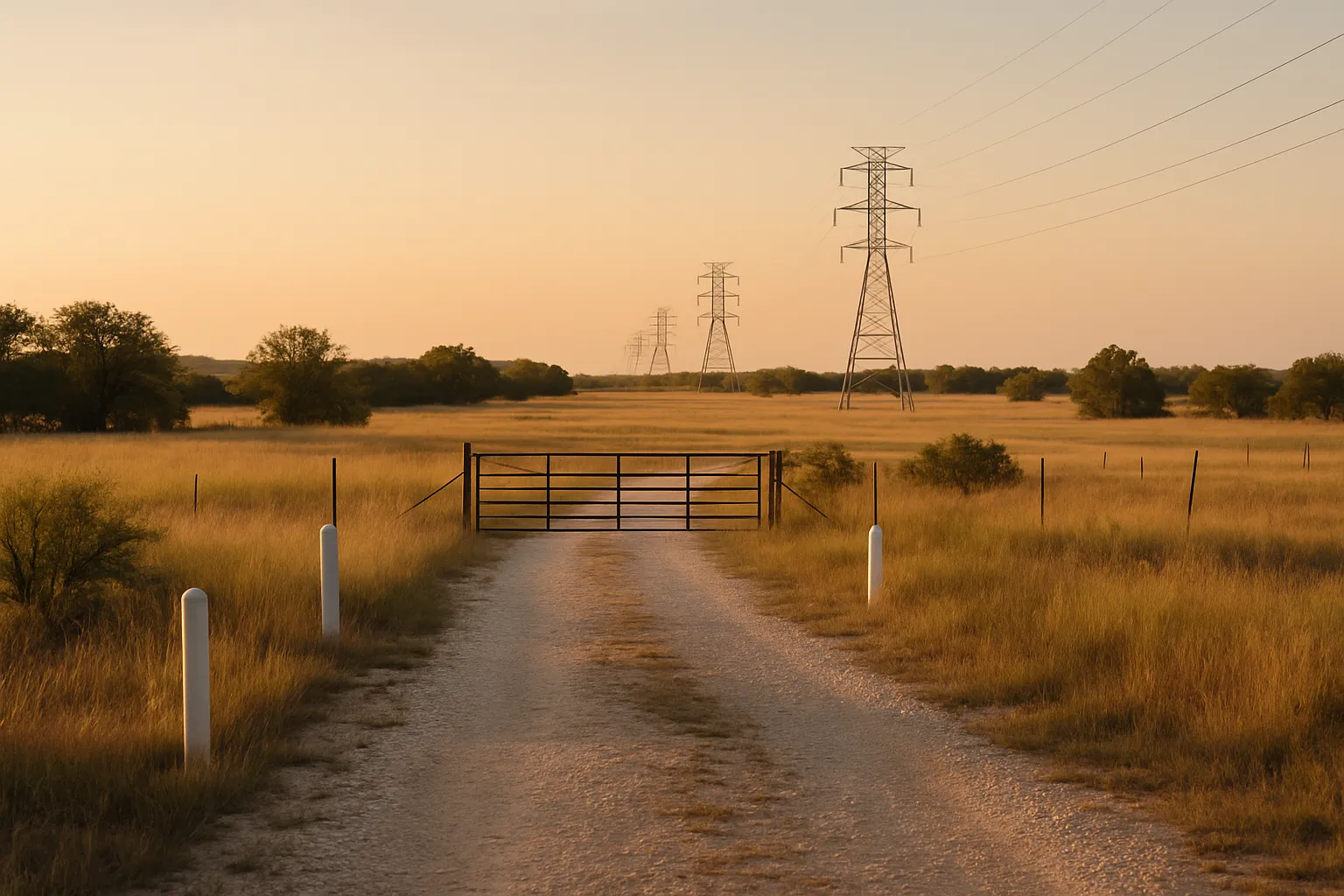
A road, pipeline, or utility line can affect how you use land even when it looks invisible on a tour.
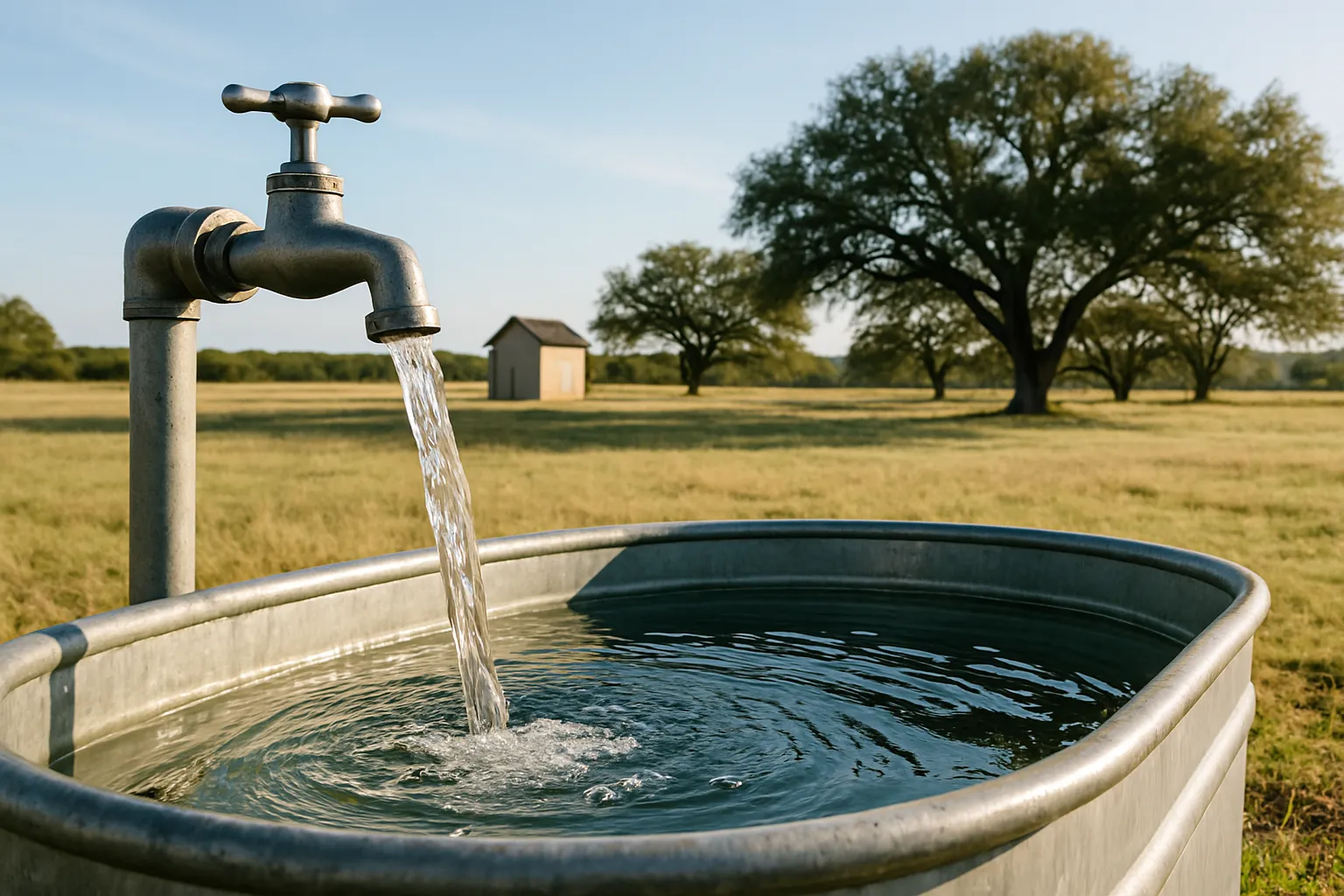
Confirm the source, capacity, connection cost, and rules before assuming water is handled.
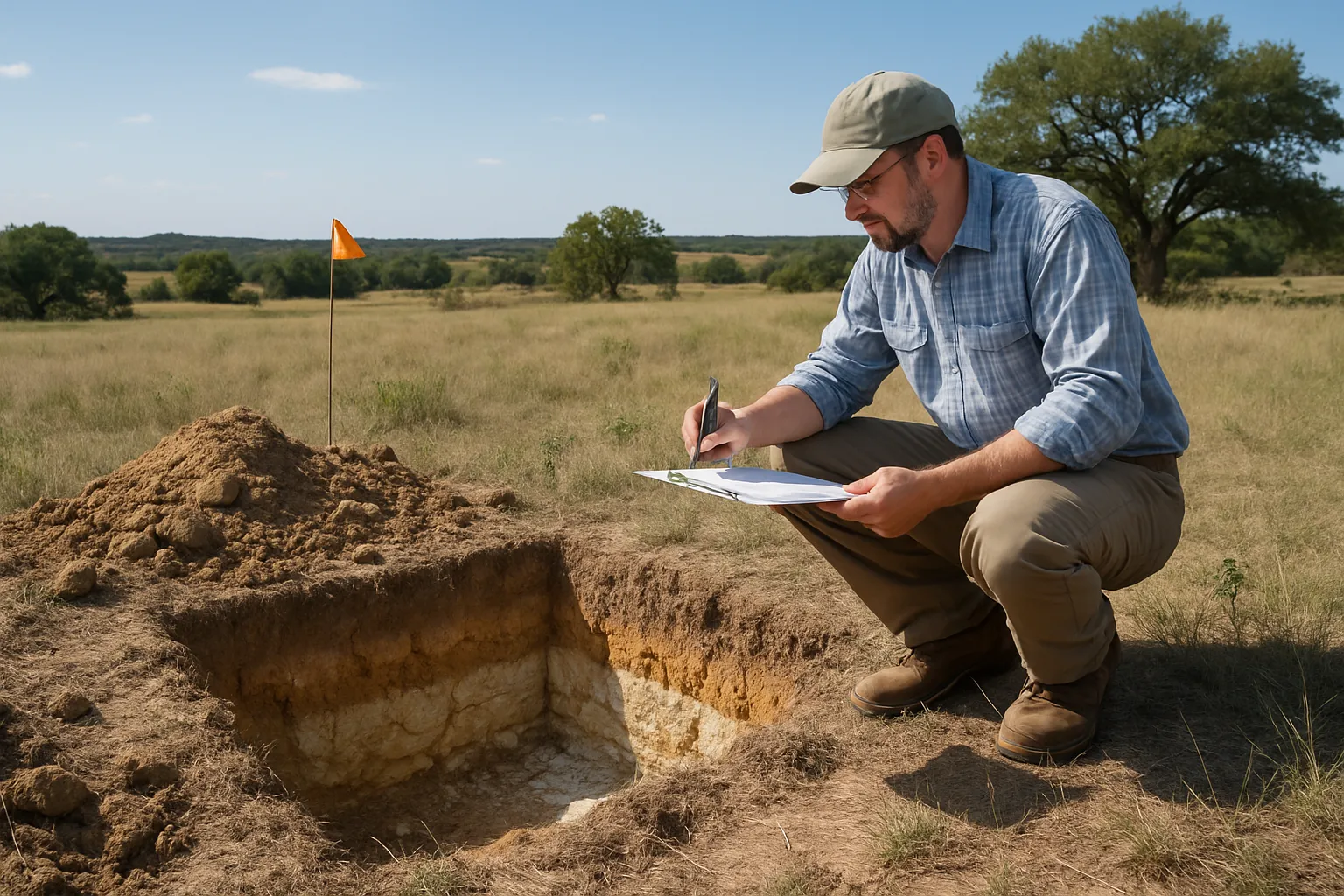
A beautiful homesite can become expensive if the soil will not support the septic system you expected.
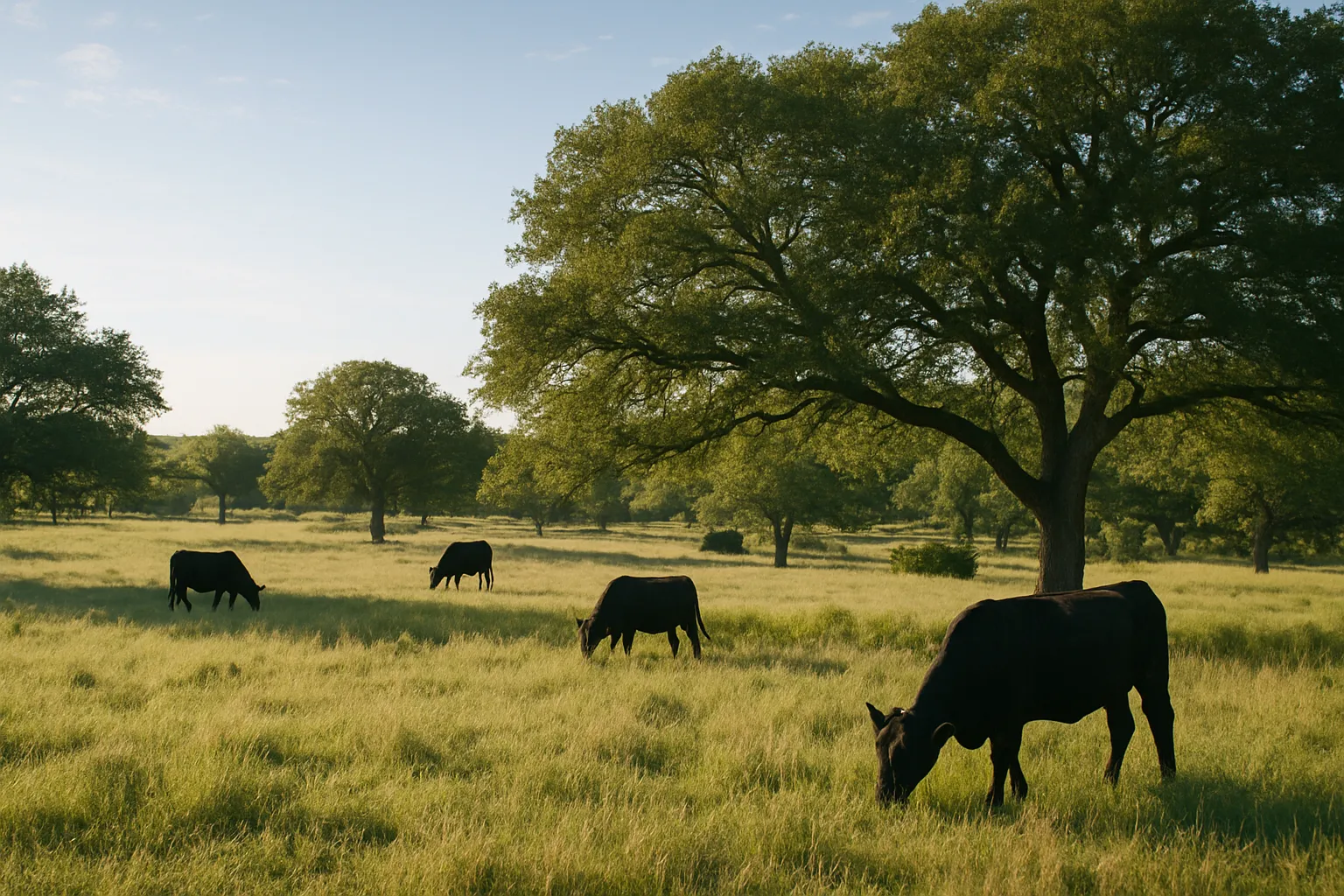
What most Texans call an ag exemption is technically an agricultural valuation. The county does not exempt your land from taxes - it taxes the land on its productivity value instead of its market value. On rural acreage that difference is dramatic: a tract worth six figures on the open market might carry a productivity value of a few thousand dollars, and the annual tax bill drops accordingly.The valuation...

Most land horror stories trace back to the same four missing documents: a survey, a recorded plat, deeded access, and a title commitment. If a seller cannot produce all four, the price does not matter - you are not buying land, you are buying a future legal bill.A current survey with staked corners means you can stand on the exact boundary of what you are paying for. A recorded plat means the county...
Walk the available tracts, compare the terrain and oak cover, and find the setting that fits what you want to build.
Compare listings
Compare